The Strategy
Finding New Keywords
With travel being one of the hardest hit industries due to the COVID-19 pandemic, the search demand for the conventional keywords we were targeting plummeted. Therefore, our team conducted a fresh keyword research to identify new keyword opportunities to target based on what users were searching for during the pandemic.
Here are just a few of the best free keyword research tools that you can use to find new keyword ideas:
- Google Trends – great for finding relevant trending topics within your niche
- Ahrefs Keyword Generator – great for quickly finding relevant keywords from a specified seed query
- Answer The Public – great for finding keyword opportunities that are question based and related to a seed query
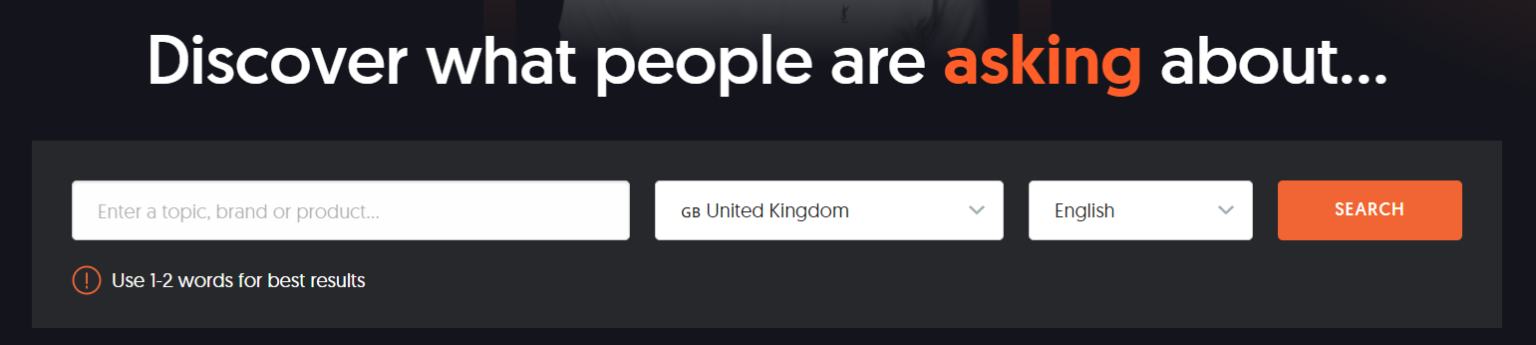
- People Also Ask – great for finding question-based long-tail keywords
- Related Searches – great for finding relevant keywords to your topic that users may also find useful
When identifying keywords to target, it’s important to note the search intent too, i.e. identifying what the searcher is trying to achieve from their query. The four main types of search intent are:
- Informational – the user is looking to learn more about a topic
- Commercial Investigation – the user is looking to learn more about a product or service
- Navigational – the user is looking for a specific website or web page
- Transactional – the user is looking to perform some sort of action i.e. making a purchase
By doing this, you’ll be more inclined to write content that the searcher will find relevant and useful and as a result, will likely improve your chances of ranking in the top search results.
Providing Useful Information on the Blog
During the keyword research process, we identified a number of long-tail keywords with informational intent related to COVID-19 travel restrictions.
In a period where there was a lot of misinformation surrounding travel during the pandemic, we focused on creating useful informational articles for the blog that were well researched to ensure that users were provided with the most accurate and up to date content. This lends itself to Google’s focus on providing users with results from credible sources, so we made sure that each article included:
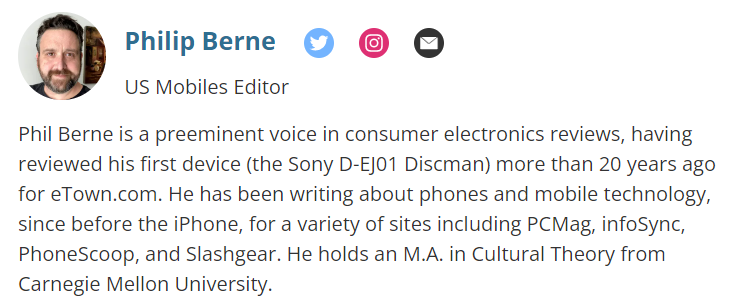
- An author box – detailing the author’s full name, their experience and expertise, links to their social media profiles (i.e. LinkedIn, Instagram, Twitter) and a portrait.
- Links to credible sources – provides trust as it shows Google and your readers that the information you’re providing is trustworthy as it’s backed up by respected websites.
- Update history – with restrictions and guidelines continually changing as the pandemic progressed, we made sure that each notable change to the information was reflected within an “Update history” section. This showed Google and readers that the information was always accurate and up to date.

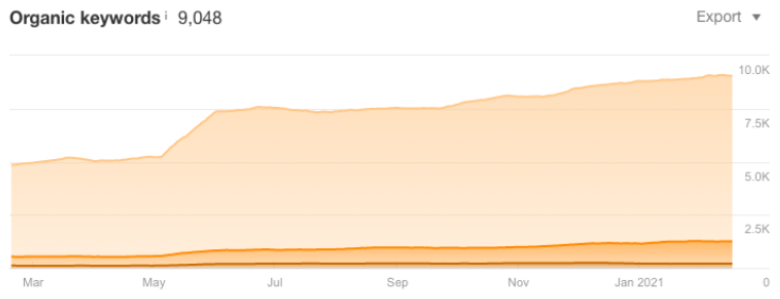
By targeting these long-tail search queries, we were able to bring in more organic traffic and improve the site’s overall keyword visibility.
Implementing a More Efficient Internal Linking Strategy
With new content being added to the blog section as well as optimising the existing content on the website, we implemented a more efficient internal linking strategy to make the site easier to navigate for both users and search engines.
Internal linking is when you insert a hyperlink from one page on your website, to another. However, the key thing to remember when doing this, is to make sure that the two pages are relevant to each other and the internal link adds value to the user’s search experience of your site.
Apart from improving navigation, internal linking also allows you to direct your audience from the blog post to your money pages. For example, an eCommerce website may add an internal link to a relevant product or collection page. This also helps Google understand that the two pages are related to each other.
Check out our guide on how to implement an internal linking strategy here.
Building Authority With A Targeted Link Building Campaign
The client’s backlink profile was already seeing steady growth, however the majority of the backlinks had branded or URL-based anchor texts. A natural anchor text distribution should have an even mix of branded, URL-based, generic, keyword rich and topical anchors.
You can check the anchor text distribution of a website and web page using Ahrefs’ Site Explorer tool.
Enter your domain or URL into Site Explorer and click on the Overview report.
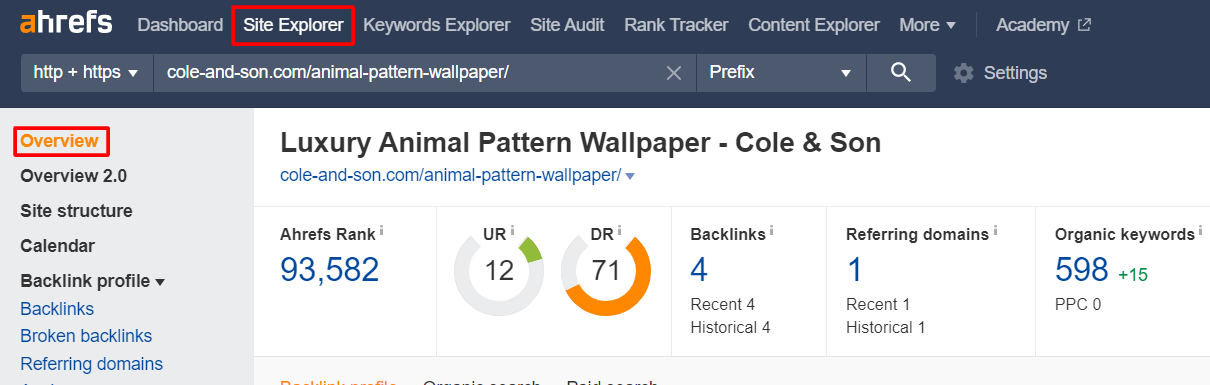
Scroll down to the bottom of the report to find the anchors that are used to link to the site/page.
In this case, we can see that there are four anchors used.
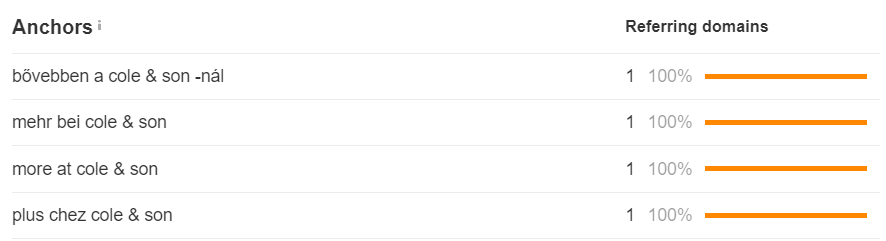
The anchors are largely branded which means that there is a chance to be more aggressive with the anchors used to link to this page. Keyword-rich anchors should be used sparingly as overdoing it can raise flags in Google’s systems as unnatural. This is because links with keyword-rich anchor texts provide stronger contextual cues to Google that the target URL is relevant for that specific keyword.
In the case of our example URL above, a keyword rich anchor would be something like “animal print wallpaper”.
We followed this same process to identify the anchor text distribution of the client’s most important pages and made sure that we rebalanced the ratio of branded and targeted anchors.
Find out more about our link-building services.








![How to Sell GEO: The Agency Playbook [Webinar]](https://susodigital.com/wp-content/uploads/2026/10/Webinar-How-to-Sell-GEO-The-Agency-Playbook-920x920.webp)