
Ever feel like you’re in a constant tug-of-war with your phone? We’re all guilty of it – that urge to Google something right now.
They’re called micro-moments, and in a nutshell, they are the digital equivalent of a customer walking into your store with a specific question or need.
Ignoring these moments is like turning away a potential customer – a missed opportunity for engagement and conversion. Let’s learn about them to ensure this doesn’t happen to you.
What is a Micro Moment?
A micro-moment is that quick, elusive moment when you grab your device because you need something right now. It could be anything from a burning question to a sudden urge to buy.
Think of all those times you’ve pulled out your phone to look something up, find a place, figure out how to do something, or, best of all, buy that thing you’ve been eyeing.
Those are the moments we’re talking about, so let’s break them down:
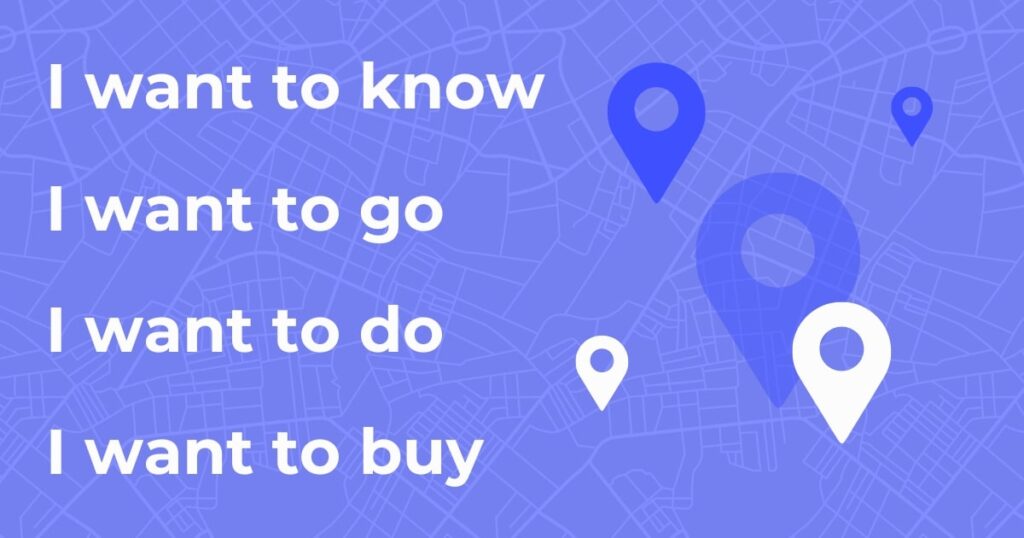
- I-want-to-know moments: this is the research phase. You are actively seeking information, comparing options, or exploring ideas, but you may not be ready to make a purchase just yet. The defining characteristic is the immediate need for information, such as researching the best type of coffee maker or looking for tips on planning a trip.
- I-want-to-go moments: you are on the move! You are searching for nearby stores, getting directions to a specific address, or simply exploring options in the area. A common example would be searching for “restaurants near me” or looking up the opening hours of a local barber.
- I-want-to-do moments: that’s when you’re trying to figure out how to do something. Need to tie a tie? Assemble furniture? Learn to bake a cake without burning it? It’s all about learning a new skill, completing a task, or just getting something done. Think of all the how-to videos, step-by-step guides, recipes, etc.
I-want-to-buy moments: the most valuable micro-moments for eCommerce businesses. You are ready to make a purchase and are actively searching for products, comparing prices, or looking for deals. You have one goal and one goal only – to buy – now.
The common threads across all these micro-moments are intent and immediacy.
Users have a specific need or desire in the moment, and they expect to find a solution quickly. This is why targeting these moments is so vital for businesses.
Perfect Micro-Moment Examples
Every one of these micro-moments can be described by showcasing the companies that did it best. Of course, we have to keep in mind that in the more known cases of brands like Google or Uber, the need to meet these micromoments had the appropriate budget to back the creative force behind solutions.
However, the fundamental principles they demonstrate—anticipating user needs, delivering immediate value, and creating seamless experiences—are applicable across businesses of all sizes. By studying these high-profile successes, we can extract valuable insights and adapt them to our own contexts, regardless of financial constraints, fostering a customer-centric approach that drives engagement and conversions.
Sephora: Enhancing “I-want-to-buy” Moments
As mentioned, Sephora’s mobile app with its virtual try-on feature is an excellent example of leveraging “I-want-to-buy” micro-moments:
- The app uses augmented reality (AR) technology to allow users to virtually apply makeup products.
- This addresses the common hesitation in online makeup shopping – not knowing how a product will look.
- By removing this barrier, Sephora increases the likelihood of purchase during these crucial decision-making moments.
Google: Capitalizing on “I-want-to-know” Moments
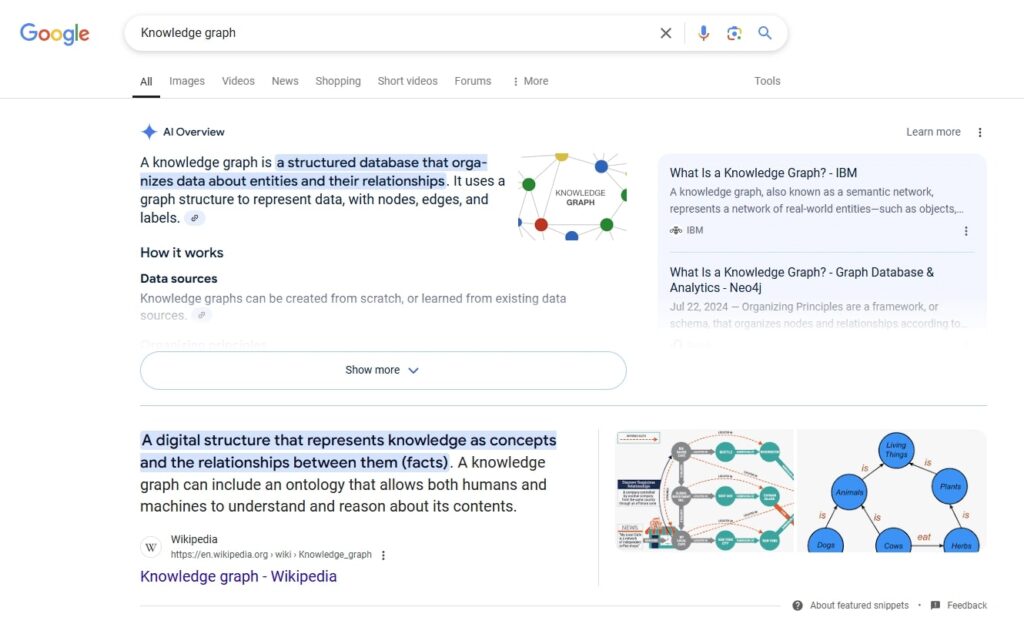
Google has mastered the art of being present during “I-want-to-know” micro-moments:
- Through its Knowledge Graph and featured snippets, Google provides quick answers to user queries directly in search results.
- This strategy keeps users engaged with Google’s ecosystem and reinforces its position as the go-to source for information.
Uber: Dominating “I-want-to-go” Moments
Uber has successfully positioned itself for “I-want-to-go” micro-moments:
- The app’s interface is designed for quick and easy ride requests, perfect for spontaneous travel decisions.
- Uber’s integration with Google Maps allows it to be present at the exact moment a user is planning a trip or looking for directions.
Amazon: Optimizing “I-want-to-do” Moments
Amazon has effectively tapped into “I-want-to-do” micro-moments:
- Amazon’s Alexa-enabled devices allow users to quickly access how-to information or order supplies for DIY projects.
- The company’s Prime Video service offers instructional content, meeting users’ needs for learning new skills or completing tasks.
Nike: Enhancing “I-want-to-buy” and “I-want-to-do” Moments
Nike has successfully leveraged multiple types of micro-moments:
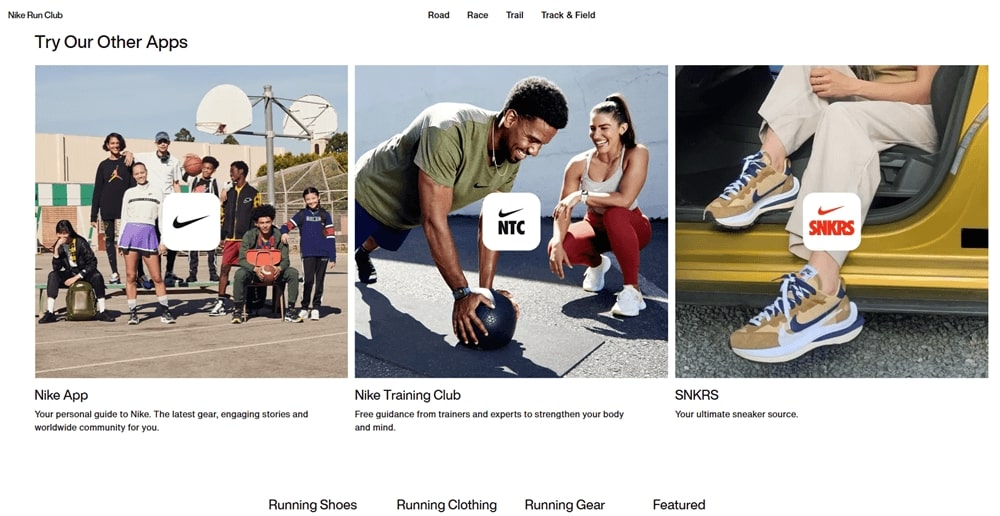
- The Nike Run Club app provides real-time coaching and tracking for runners, catering to “I-want-to-do” moments.
- Nike’s SNKRS app uses AR to create exclusive “I-want-to-buy” moments for limited edition sneaker releases.
Why are Micro-Moments Important?
Micro-moments represent valuable opportunities to connect with potential customers at crucial points in their decision-making journey.
Think of it this way: you wouldn’t ignore a customer walking into your store, right? Similarly, you shouldn’t ignore the digital equivalent – someone actively searching for something you offer. Here’s why micro-moments matter:
- Increased Visibility: by targeting micro-moments, you can increase your brand’s visibility in search results and capture the attention of users actively seeking information or solutions.
- Improved Engagement: by providing relevant and helpful content during micro-moments, you can engage with potential customers and build trust.
- Higher Conversion Rates: by catering to “I-want-to-buy” moments, you can directly influence purchase decisions and drive better conversions.
- Enhanced Customer Experience: providing seamless and personalised experiences during micro-moments can improve customer satisfaction and loyalty.
- Competitive Advantage: businesses that effectively leverage micro-moments gain a competitive edge by being present and helpful when their target audience needs them most.
How to Capture Micro Moments on Your eCommerce Website
Capturing micro-moments requires a strategic approach that focuses on understanding customer intent, creating relevant content, and optimising the user experience. Think of it as being a digital mind-reader, anticipating what your customers need before they fully articulate it. This means not just having the right products but also the right information at the precise moment it’s needed.
Understand the Customer Journey
Before you can target micro-moments, you need to understand the various stages of the customer journey. Think about all the touchpoints a customer might have with your brand, from initial awareness to post-purchase engagement.
The Interplay of the customer journey and your sales pipeline:
- Alignment: The key is to align your sales pipeline with the customer journey and use micro-moments to guide your actions at each stage.
- Lead Generation: During the “awareness” stage of the customer journey, you can use “I want to know” and “I want to go” micro-moments to attract potential leads through targeted content and advertising.
- Qualification: As prospects move into the “consideration” stage, you can address their “I want to know” and “I want to see” micro-moments by providing detailed product information, demos, and testimonials.
- Closing: In the “purchase” stage, you can address their “I want to buy” micro-moments by providing a seamless and frictionless checkout experience.
- Post-Purchase: after closing the sale, you can address “I want to do” micro moments by providing content that helps the customer use the product, and “I want to share” moments by asking for reviews.
Optimization: By tracking and analyzing micro-moments, you can identify areas for improvement in your customer journey and sales pipeline. For example, if you notice that many prospects are dropping off during the “qualification” stage, you can investigate which “I want to know” micro-moments are not being adequately addressed.
To reiterate, micro-moments provide a lens through which you can understand and optimize both the customer journey and your sales pipeline. They help you move beyond a linear, one-size-fits-all approach to a more personalized and responsive strategy that meets the needs of customers in real-time.
Create Content to Reflect Each Micro Moment
Once you understand the customer journey, you can create content that addresses the specific needs and intent of users during each micro-moment. For “I-want-to-know” moments, create informative blog posts, how-to guides, and comparison charts. For “I-want-to-do” moments, produce tutorial videos, step-by-step instructions, and FAQs. For “I-want-to-buy” moments, optimise your product pages with high-quality images, detailed descriptions, customer reviews, and easy checkout processes.
Make the Shopping Experience Personal
Personalisation is key to capturing micro-moments. Tailor your website, content, product recommendations, and offers to each user’s individual needs and preferences. This could involve using data to understand past purchase behaviour or leveraging location data to provide relevant local offers.
Optimise for Mobile Customers
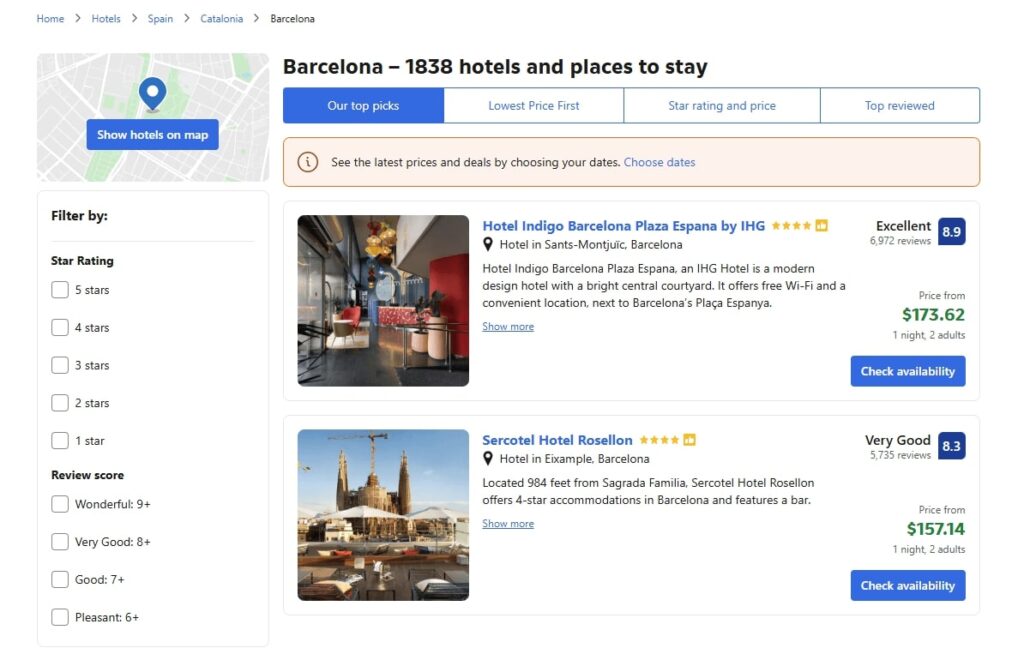
Since most micro-moments occur on mobile devices, remember to optimise your eCommerce website for mobile users. Ensure your site is responsive, loads quickly, and provides a pleasant experience.
But in order to make it go that extra mile, maybe you should forget just ‘being responsive.’
Mobile optimization in the age of micro-moments is about anticipating the context of a user’s mobile experience. Are they crammed onto a rush-hour train, desperately comparing prices on a tiny screen with shaky signal? Or are they lounging on a couch, casually browsing for inspiration?
- Thumb-Centric Design: Stop pretending everyone holds their phone the same way. Design for the thumb zone. Put crucial navigation and call-to-action buttons within easy reach. Think about a product grid where the “add to cart” button is right where their thumb naturally rests.
- Progressive Image Loading (Lazy Loading): When someone’s on a limited data plan or in a low-signal area, every kilobyte counts. Don’t load every high-res image at once. Implement lazy loading, so images appear as the user scrolls. This saves bandwidth and speeds up page loads, especially on those impulse-driven searches.
- Contextual Input Fields: If someone’s searching for a local store, automatically trigger the phone’s location services and populate the search field. If they’re entering a phone number, switch to the numeric keypad. These small touches reduce friction and show you understand their intent.
- Voice Search Optimization: People are talking to their phones more than ever. Optimize for conversational search. Instead of just targeting keywords like “red sneakers,” consider phrases like “where can I buy comfortable red sneakers near me?”
- Mobile-First Indexing Reality Check: Google prioritizes the mobile version of your site. If your mobile experience is an afterthought, you’re hurting your search ranking. Regularly audit your mobile site’s performance with tools like Google’s PageSpeed Insights, and don’t just fix the big issues. Address the minor annoyances that add up to a frustrating user experience.
- App Clip/Instant App Integration: For those “I want to do” micro-moments, consider App Clips or Instant Apps. They allow users to access a specific function of your app without downloading the entire thing. Imagine someone scanning a QR code on a restaurant menu and instantly accessing the ordering system. That’s a micro-moment win.
- Offline Capabilities: If your product or service is likely to be used in areas with poor connectivity (like during travel), consider offering offline capabilities. Allow users to save information or perform basic tasks even without an internet connection.
- Testing with Real-World Conditions: Don’t just test your site on a high-speed Wi-Fi network. Simulate real-world conditions by testing on different mobile networks and devices. Use tools that throttle bandwidth to see how your site performs in less-than-ideal situations.”
Essentially, it’s about shifting from “does it work?” to “does it work perfectly, in the specific context of a user’s mobile need?”
Target Location-Based Moments Too
For “I-want-to-go” moments, work on your online presence for local search. Claim your Google My Business listing, ensure your contact information is up-to-date, and encourage customer reviews.
There couldn’t be a better example than the good old “I need coffee now” scenario.
Here it is:
Real-Life: Imagine someone is driving in an unfamiliar city, running late, and desperately needs a caffeine boost. They pull out their phone and search “coffee shops near me.” We have ALL been there.
How Target Location-Based Moments Works:
- A local coffee shop has claimed and optimized its Google My Business listing.
- Their listing features:
- Accurate hours (crucial for someone in a hurry).
- Real-time updates (e.g., “Drive-thru open”).
- High-quality photos of the interior and menu items.
- Recent, positive customer reviews highlighting speed and quality.
- The searcher sees this listing, instantly knows it’s open, looks appealing, and has good reviews. They tap “Directions” and are guided straight to the shop.
The Micro-Moment Captured: “I-want-to-go” and “I-want-to-buy” are met simultaneously.
The Bottom Line
Micro-moments are transforming the way consumers interact with brands. By understanding these moments and creating targeted content and experiences, eCommerce businesses can capture the attention of potential customers, build trust, and drive conversions. Embracing the micro-moment mindset is no longer a nice-to-have, it’s a must-have for an eCommerce business to succeed. So, start thinking about how you can leverage these valuable moments to connect with your target audience and grow your business.